The Art of Lavender Harvest: A Seasonal Guide to Picking at Peak Perfection + How to Preserve That Heavenly Scent Forever
The Art of Lavender Harvest: A Seasonal Guide to Picking at Peak Perfection + How to Preserve That Heavenly Scent Forever
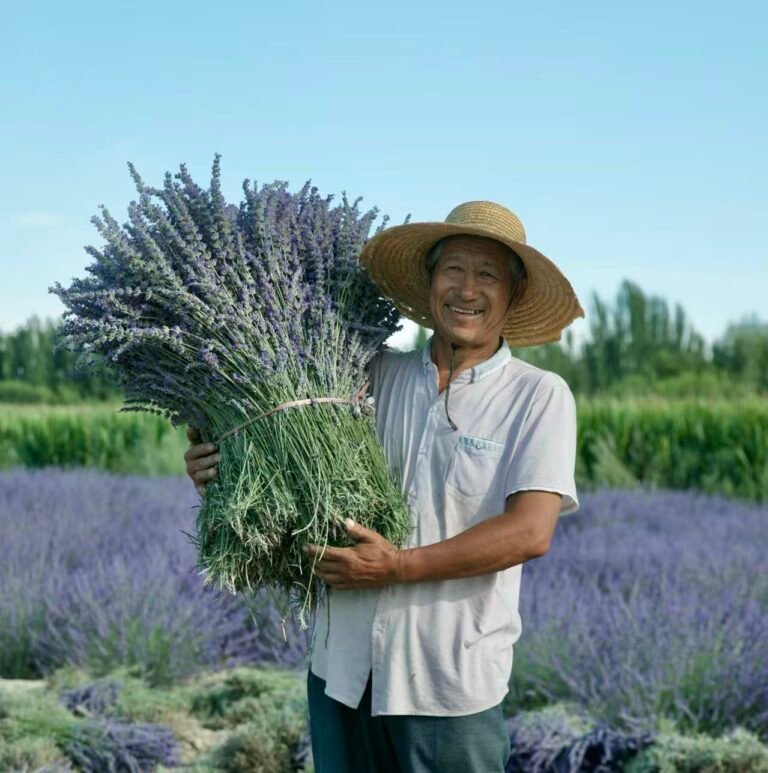
There’s nothing quite like the magic of harvesting your own lavender (or purple gold, as some gardeners call it). Whether you’re growing English lavender, French lavender, or the stunning Spanish lavender varieties, timing your harvest perfectly makes all the difference between “meh” and “magnificent.” Let’s dive into the when, why, and how of picking these fragrant blooms for maximum color, scent, and longevity.
When Is the Best Time to Harvest Lavender?
The perfect harvest window depends on what you plan to do with your lavandula:
1. For Essential Oils & Fragrance:
-
Harvest when 1/3 to 1/2 of the flower buds have opened (usually early to mid-morning after dew evaporates).
-
This is when true lavender oil concentration peaks.
2. For Dried Arrangements:
-
Pick when most buds are colored but not fully open – they’ll retain shape better when dried.
3. For Culinary Use:
-
Harvest young blooms early in the season for milder flavor (Provence lavender works great).
Pro Tip: In most climates:
-
Early bloomers (like Hidcote): Late spring to early summer
-
Late varieties (like Grosso): Mid to late summer
-
Second flush: Some types give bonus blooms if trimmed promptly!
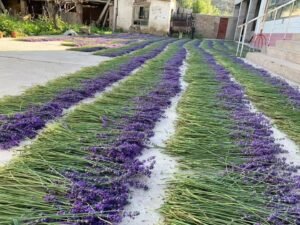
5 Must-Know Harvesting Tips
1. Weather Matters
Always cut your blue lavender on a dry, sunny day (afternoon is ideal when morning dew has evaporated but before the heat bakes out the oils). Avoid harvesting after rain – moisture encourages mold during drying.
2. The Right Cut
Use sharp shears and cut stems long (6-8 inches), leaving 2-3 inches of green growth above the woody base. This keeps plants tidy and encourages regrowth.
Fun Fact: Some French lavender varieties can be harvested twice if you trim properly!
3. Bundle Smart
-
Group 50-100 stems (max) with rubber bands – they shrink as they dry.
-
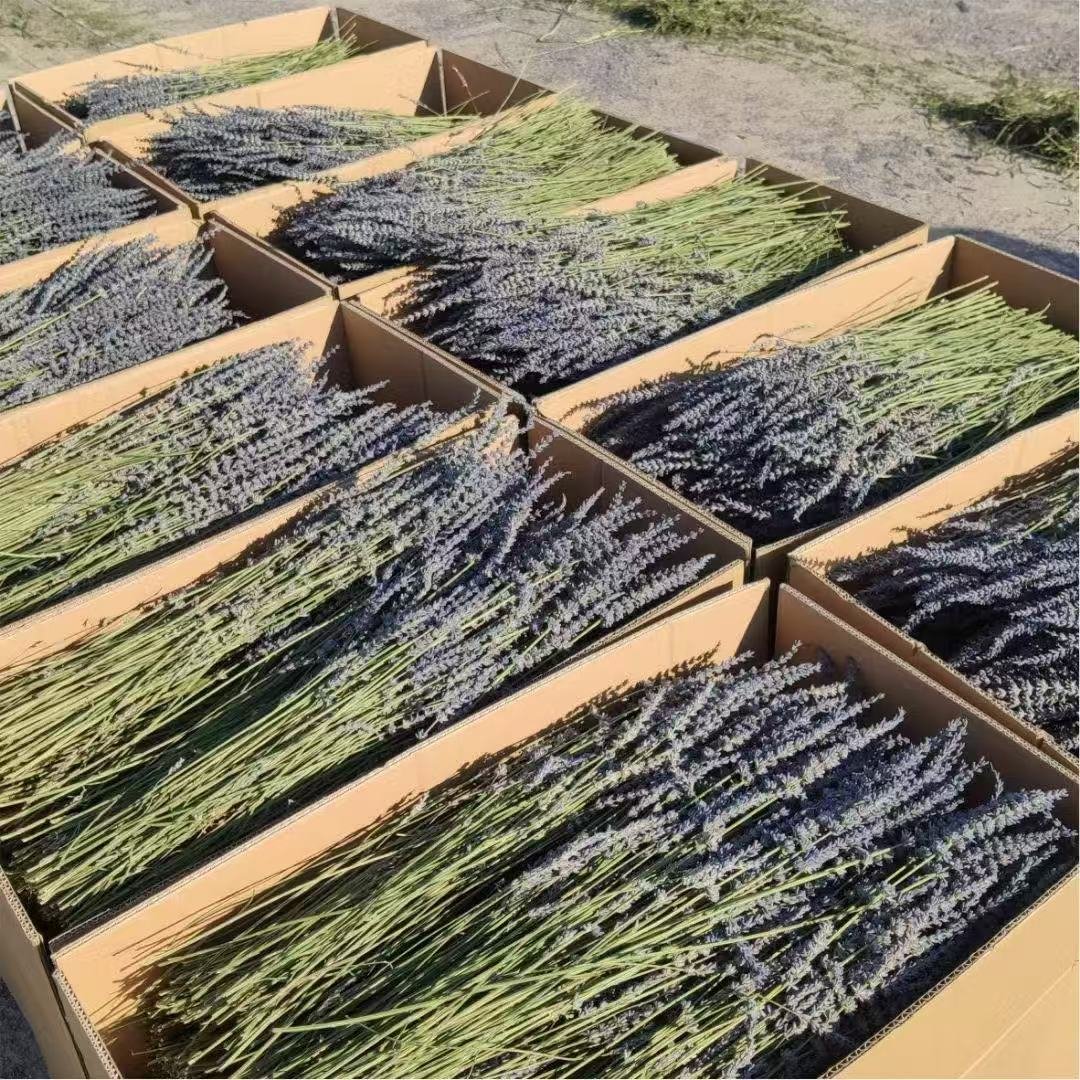
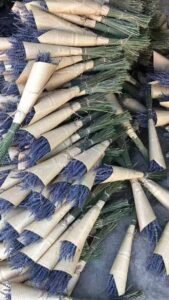
Hang upside down in a dark, warm, well-ventilated spot (attics or closets work).
-
Never use plastic bags – airflow prevents mildew!
4. Timing by Region
-
Mediterranean climates: June-July
-
Colder zones: July-August
-
Tropical areas: Watch for flower spikes rather than calendar dates
5. Preserve the Good Stuff
For crafts or cooking:
-
Microwave drying: 30-second bursts between paper towels
-
Silica gel: Keeps bloom color vibrant
-
Freezing: Perfect for culinary lavender buds in ice cubes or sugars
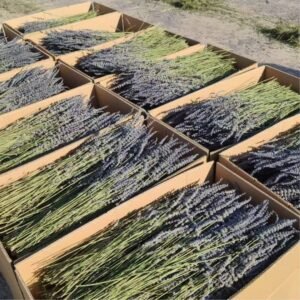
Common Mistakes to Avoid
❌ Waiting too long – Overblown flowers shed petals and lose oil potency.
❌ Cutting into woody stems – Harms next year’s growth in perennial varieties.
❌ Poor drying setup – Crowded or humid conditions = moldy disappointment.
❌ Using dull tools – Crushed stems release oils prematurely.
Pro Solution: Snip test! Rub a bud between fingers – if it leaves strong scent and some oil, it’s prime time.
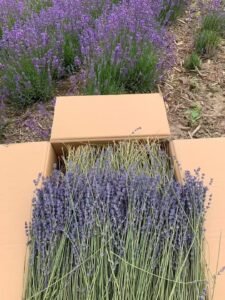
Creative Uses for Your Harvest
1️⃣ Sleep Sachets: Mix dried lavandin with chamomile in pillowcases.
2️⃣ Herbal Honey: Steep fresh stems in warm honey for 2 weeks.
3️⃣ Bug Repellent: Combine with citronella oil in spray bottles.
4️⃣ Freshening Carpets: Sprinkle dried buds before vacuuming.
5️⃣ Gifts: Tie small bundles with twine for fragrant wrapping accents.
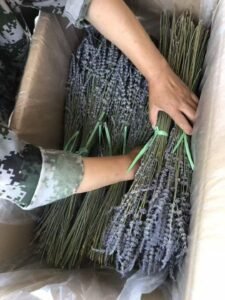
Final Thought
Whether you’re harvesting Munstead lavender for crafts or Phenomenal lavender for oils, that perfect “purple moment” is worth waiting for. Mark your calendar, watch your plants daily as bloom time nears, and get ready to capture that intoxicating scent at its peak!
If you need dried Lavender flowers or Lavender oil, please feel free to contact us by email: nina@3hlink.com or www.3hlink.com
#LavenderHarvest #DIYHerbs #Aromatherapy #GardenTips #SustainableLiving