Custom Color Dried Flowers: A Wholesale Sourcing Guid
Custom color dried flowers help retailers build coordinated collections for home décor, seasonal displays, and floral gifts. However, a successful collection needs more than an attractive palette. Buyers also need clear material specifications, approved samples, and suitable packaging.
At 3HLINK, we work with wholesale buyers on custom floral and handcrafted products. This guide explains what to check when developing a color-coordinated range for your market.
Define Your Retail Collection Before Choosing Colors
First, decide how customers will use the finished product. A gift bouquet, a decorative wreath, and loose floral stems each have different requirements.
For example, an online retailer may need compact packaging that protects delicate materials. A florist, meanwhile, may prefer loose stems for arranging.
Prepare a sourcing brief with these details:
- Target customers and sales channels.
- Product format and overall dimensions.
- Preferred colors and reference images.
- Expected order quantities and purchasing budget.
- Packaging, labeling, and delivery requirements.
A clear brief helps your dried flower supplier assess suitable materials and prepare a relevant quotation.
Choose a Palette for Custom Color Dried Flowers
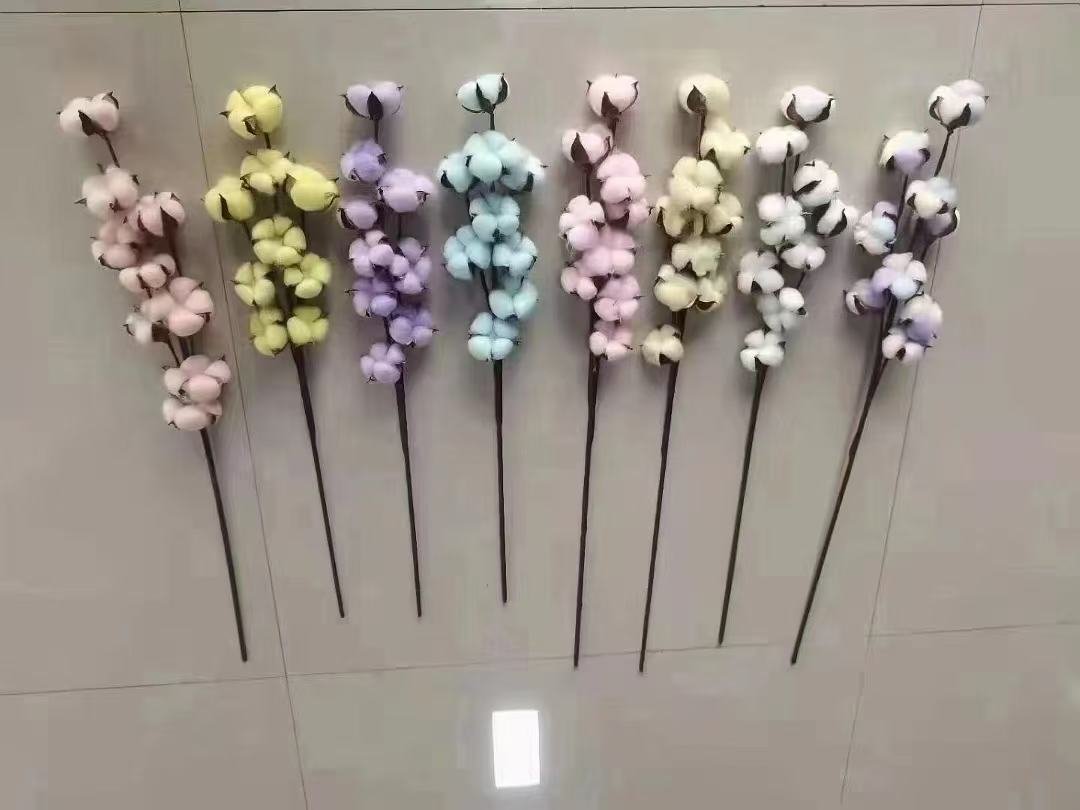
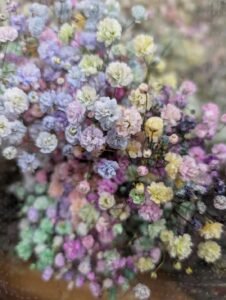
Start with a small group of colors that work together. Choose a main shade, supporting tones, and an accent color where needed.
For instance, a neutral collection could combine cream flowers, beige grasses, and brown botanical details. Alternatively, a seasonal range might use muted pink with natural green accents.
You can use physical swatches or a recognized reference system, such as Pantone, to communicate your preferred palette. However, a color reference does not guarantee an exact match on every natural material.
Screens, lighting, and surface textures affect color appearance. Therefore, review physical samples before approving production.
Aim for a Coordinated Look Across Materials
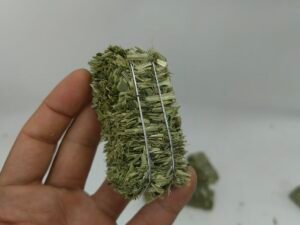
The same shade can appear different on dried grasses, preserved foliage, and handmade natural flowers.
Ask your supplier which materials suit your chosen palette. Also, discuss acceptable color differences before placing an order.
A coordinated appearance across the arrangement is often more practical than an identical shade on every component.
Understand the Materials in Your Floral Collection
Dried flowers, preserved botanicals, and handmade natural flowers are distinct product categories. Describe them clearly in both your sourcing brief and retail listings.
| Material type | Possible role in a collection | Details to confirm |
|---|---|---|
| Dried flowers and grasses | Texture, volume, and natural shapes | Stem length, color treatment, and handling needs |
| Preserved flowers and foliage | Floral or leafy details | Preservation treatment, care guidance, and color options |
| Handmade flowers from natural materials | Decorative focal points and custom shapes | Material composition, size, construction, and finish |
For example, a handmade Silver Bell Flower can add a focal detail to a mixed bouquet. Identify it as a handmade natural-material flower, separately from the surrounding dried or preserved ingredients.
Request a component list to support accurate product descriptions.
Approve a Complete Sample Before Ordering
When sourcing custom color dried flowers, review the finished product as well as individual stems.
A complete sample shows how colors, proportions, and packaging work together. It also helps your team identify changes before production.
Check the following:
- Overall size and shape.
- Color balance under consistent lighting.
- Stem count or agreed material composition.
- Attachment methods and finishing details.
- Packaging fit and protection during handling.
Next, record your approval in writing. Include photographs and measurements where useful.
If a material becomes unavailable, agree on how the supplier should submit alternatives for approval.
Confirm Minimum Quantities by Color and Design
Ask how the supplier applies the minimum order quantity, or MOQ. It may depend on the material, color, finished design, or packaging format.
Before confirming your range, ask:
- Does each color have a separate MOQ?
- Can different designs be combined in one order?
- How many units fit in each carton?
- Does custom packaging require a separate minimum quantity?
- What quantities apply to repeat orders?
Starting with a focused palette can simplify purchasing and inventory planning. You can then evaluate customer response before expanding the range.
Set Clear Standards for Repeat Orders
Natural materials can vary between batches. For this reason, define acceptable variation before your first wholesale order.
Keep an approved reference sample and a written specification sheet. Record the key colors, dimensions, materials, and packaging details.
Before reordering, confirm material availability and any proposed changes. If a main component or finishing process changes, ask whether you need a new sample.
These steps give both buyer and supplier a clearer reference for future production.
Compare the Full Wholesale Cost
Compare quotations using the same specifications and delivery terms. Otherwise, a lower unit price may hide differences in materials, packaging, or preparation work.
Your comparison should include:
- Product and sample costs.
- Packaging and labeling.
- Any assembly or repacking required.
- Carton dimensions and units per carton.
- Freight assumptions and agreed delivery terms.
For example, a larger gift box may increase storage and shipping costs. Similarly, loose stems may require extra labor before retail sale.
Reviewing the full cost helps you choose a product format that fits your budget and sales channel.

Develop Your Custom Floral Collection With 3HLINK
Ready to source custom color dried flowers for your next collection?
3HLINK supports custom development for wholesale floral and handcrafted decorative products. Share your ideas, reference photos, preferred materials, and target colors to begin the discussion.
Include your expected quantities, product dimensions, packaging needs, and intended delivery window. These details help us discuss suitable options and identify what needs sample approval.